


Call

Book

Menu

Over 4000 Treatments

Zero Complications

Trained by the Best

Clinically Established

Trusted

Lip Filler Aftercare: What to Do and What to Avoid

SHARE THIS POST:
what not do to do lip filler aftercare

TL;DR: Lip Filler Aftercare Essentials

Immediate action: You should apply a cold pack for 15 minutes to ease swelling and discomfort. Avoid for 24–48 hours: Do not do strenuous exercise, touch or massage your lips, use straws, or smoke. Hydration tip: Keep well hydrated—hyaluronic acid fillers bind to water to help maintain plumpness. When to call your provider: Contact them if you have severe pain, swelling that worsens after 48 hours, spreading redness, or any areas of blanching.

Proper aftercare supports healing, reduces side effects, and helps you enjoy lasting, natural-looking results.

Achieving beautifully enhanced lips with dermal fillers is just the first step; proper lip filler aftercare is crucial for optimal healing and lasting results.

Neglecting the right post-procedure care can lead to complications, impacting both the aesthetic outcome and your comfort.

Conversely, diligently following aftercare instructions ensures a smoother recovery, minimizes common side effects like swelling and bruising, and helps maintain the desired shape and volume of your lips.
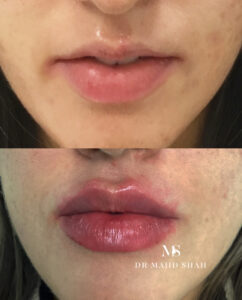
paper lip

This guide will walk you through the essential “dos” and “don’ts” immediately after your lip filler appointment and during the subsequent healing period.

We’ll focus on practical tips for managing swelling, avoiding filler displacement, and protecting your newly enhanced lips from environmental factors.

By the end of this article, you’ll have a clear understanding of how to best care for your lips, ensuring a beautiful, natural-looking result that seamlessly integrates with your overall lip enhancement journey.

What to Do Right After Your Lip Filler Appointment

After your lip filler appointment, proper aftercare is vital for healing and achieving the best results. The initial hours are crucial for minimizing discomfort and setting the stage for a smooth recovery.

To start, apply a cold pack to your lips for about 15 minutes every hour or two. This helps minimize swelling and discomfort by constricting blood vessels.

You can use a gel pack or a bag of frozen peas wrapped in a clean cloth. For insights into what to expect regarding swelling, you may find our article on lip filler swelling stages helpful.

Avoid any intense workouts or activities that significantly raise your heart rate for the first 24 hours. Strenuous exercise can increase blood flow to the treated area, leading to increased swelling and bruising.

Additionally, it’s crucial to avoid touching or massaging your treated lips excessively to prevent filler movement and ensure the product settles evenly.

Also, keep yourself hydrated by drinking plenty of water. However, be sure to skip using a straw, as the sucking motion can place unnecessary pressure on your lips and potentially disrupt the filler.

Good hydration supports overall healing, as hyaluronic acid fillers also draw in water to maintain their volume. Learn more about hyaluronic acid and water retention for fuller details.

Following these simple post-care tips will enhance your recovery process and help you flaunt your fuller lips sooner!

What Not to Do in the First 24 Hours

After your lip filler appointment, the first 24 hours are crucial for healing and preventing complications. Adhering to these “don’ts” is as important as following the “dos.”

Do – Don’t Block: Essential Aftercare Actions

  • DO: Apply Cold Compresses. This helps reduce swelling and bruising.
  • DON’T: Touch or Massage Lips. Avoid poking, pressing, or massaging your lips, as this can lead to filler displacement.
  • DO: Stay Hydrated. Drink plenty of water to support your body’s healing process.
  • DON’T: Use Straws or Smoke. The sucking motion from straws and smoking can create pressure on your lips, potentially moving the filler. Sip directly from a glass.
  • DO: Limit Physical Activity. Keep your heart rate down.
  • DON’T: Engage in Strenuous Exercise or Hot Environments. Stay away from intense workouts, saunas, or hot tubs for at least 24-48 hours. Increased blood flow can exacerbate swelling and bruising.

Following these guidelines will help you achieve the best outcome from your lip filler procedure.

Habits to Avoid While Your Lips Heal

Beyond the initial 24 hours, certain habits should be avoided during the broader healing process to ensure proper post-care and achieve beautiful, lasting results from your lip fillers.

  • No intense workouts: Continue to steer clear of strenuous physical activity for at least 24-48 hours post-treatment. While light walking is generally fine, anything that significantly increases blood flow or causes you to sweat excessively can heighten swelling and potentially prolong recovery.
  • Avoid straws and touching: As mentioned, using straws creates a puckering motion that can put undue pressure on the treated area. Similarly, habitual touching, picking, or massaging your lips can lead to uneven results or even infection. Be mindful of these movements.
  • Mind your sleep position: Try to sleep on your back with your head slightly elevated for the first few nights. Sleeping on your side or stomach can put pressure on your lips, contributing to asymmetry or increased swelling on one side.
  • Limit alcohol and blood-thinning medications: Alcohol can thin your blood and increase swelling and bruising. It’s advisable to avoid it for at least 24-48 hours. Similarly, discuss any blood-thinning medications or supplements (like ibuprofen, aspirin, fish oil, or Vitamin E) with your provider before and after the procedure.

Following these guidelines will help you achieve the best outcome and a smoother healing experience.

Habits to Avoid While Your Lips Heal

A common misconception is that any significant swelling or bruising after lip injections indicates a problem.

This belief can lead to unnecessary worry and confusion. In reality, some swelling and small bruises are typical and usually a normal part of your body adjusting to the filler.

These are often most noticeable in the first 24-48 hours and then gradually subside.

However, it’s important to understand that while minor swelling is standard, you should monitor for anything unusual.

If you notice a significant increase in swelling or bruising that worsens after the first few days, severe pain, blanching (whitening) or mottling (patchy discolouration) of the skin, an allergic reaction, or signs of infection (such as pus, fever, or spreading redness and warmth), it’s wise to consult your provider immediately.

These could be signs of a more serious complication. While most reactions are temporary, staying aware of these risk factors and knowing when to seek professional advice will help you feel confident about your lip filler treatment.

Understanding the differences between temporary vs. permanent fillers can also help manage expectations regarding aftercare.

How to Maintain Lip Filler Results Over Time

To maintain your lip filler results over time, consider incorporating the following product types and habits into your routine.

These practices extend the life of your fillers and keep your lips looking their best.

  1. Hydrating Lip Balms: Opt for balms that offer deep moisturization and protection. Look for ingredients like hyaluronic acid, shea butter, and ceramides. This is perfect for anyone wanting to keep their lips plump and hydrated, especially in dry or cold weather. Regular hydration is essential to maintain the structure and enhance the longevity of the filler, as hyaluronic acid naturally attracts and holds water.
  2. Sunscreen Lip Products: Look for lip products with built-in SPF (Sun Protection Factor) of 30 or higher. These are vital if you’re often outdoors or live in sunny climates, helping to prevent UV damage that can prematurely degrade filler longevity. Sun exposure can break down hyaluronic acid more quickly.
  3. Gentle Exfoliators: Use mild exfoliating products designed specifically for the lips. These are beneficial for those who want to keep their lips smooth without irritating the filler, ensuring the results remain fresh and vibrant. Avoid harsh scrubs that can be abrasive.
  4. Balanced Diet and Hydration: A healthy diet rich in antioxidants and consistent hydration contribute to overall skin health, which in turn supports the longevity of your lip filler.
  5. Regular Follow-up Appointments: Discuss a maintenance schedule with your provider. “Top-up” sessions are often recommended every 6-12 months, depending on the type of filler used and individual metabolism, to consistently maintain your desired lip volume and shape. This also provides an opportunity to discuss any concerns, perhaps even considering lip fillers for men if applicable for a more masculine aesthetic.

For a thorough look at suitable products, check out a detailed guide on lip care fundamentals to further enhance your results.

Next Steps

While navigating the path of lip fillers can feel overwhelming, knowing what to do and what to avoid afterward can substantially enhance your results and recovery.

Prioritizing the right aftercare helps minimize swelling and inflammation, ensuring you achieve the beautiful, natural-looking lip enhancement you desire.

Be mindful of common side effects like swelling and bruising, and understand they are typically normal.

However, don’t hesitate to reach out to your provider if something feels off, or if you experience unusual or severe symptoms.

Your well-being and satisfaction are paramount, and proactive communication ensures your healing process is as smooth and successful as possible.

For comprehensive preparation, reviewing 17 tips to know before first-time lip fillers can be incredibly beneficial.

FAQ About Lip Filler Aftercare

While initial swelling is common immediately after the procedure, the most significant swelling usually subsides within 24-48 hours. Any bruising may take 3-7 days to fully resolve. Individual healing times can vary significantly. 

It’s generally recommended to avoid applying any makeup, especially directly on the lips, for at least 12-24 hours after the procedure. This minimizes the risk of infection and allows the injection sites to close. When you do resume, ensure your brushes and products are clean.

Besides avoiding alcohol for 24-48 hours (due to its blood-thinning effect), it’s wise to avoid extremely hot or spicy foods immediately after, as they can increase blood flow and sensitivity to the area. Stick to soft, cool, and bland foods for the first day or two. Remember to avoid straws!

Small lumps or firmness immediately after the injection can be normal due to swelling or the filler settling. Gently massaging is generally not recommended unless specifically advised by your practitioner. If you notice persistent, painful, or discoloured lumps, contact your provider as soon as possible, as these could indicate a complication.

While there’s no strict rule, some practitioners advise waiting 24-48 hours before flying. Changes in cabin pressure can potentially exacerbate swelling, though this is usually minor. If you must fly, stay well-hydrated.

Yes, staying well-hydrated is beneficial. Hyaluronic acid fillers work by drawing in and holding water. Adequate hydration can help the filler maintain its plumpness and potentially contribute to its longevity. 

About the Author

dr majid shah author

Dr. Majid Shah is a highly respected UK expert in advanced facial aesthetics and the founder of Dr Majid Shah Aesthetics Birmingham.

A graduate of King’s College London (Top 3 Global Dental Institute), he won an Award of Merit for Practical Excellence and has since trained under world-renowned aesthetic pioneers like Dr. Mauricio de Maio.

Dr. Shah has performed over a 1000 successful non-surgical treatments with a flawless safety record. He divides his time between his Birmingham clinic and the elite aesthetic practice Artistry Clinic on Harley Street, London.

His approach is defined by clinical precision, an artistic eye, and an unwavering commitment to patient safety and natural-looking results. He holds a full registration (195211) with the General Dental Council.
Leave a Reply

Your email address will not be published. Required fields are marked *